
Caring For Your Cast Iron
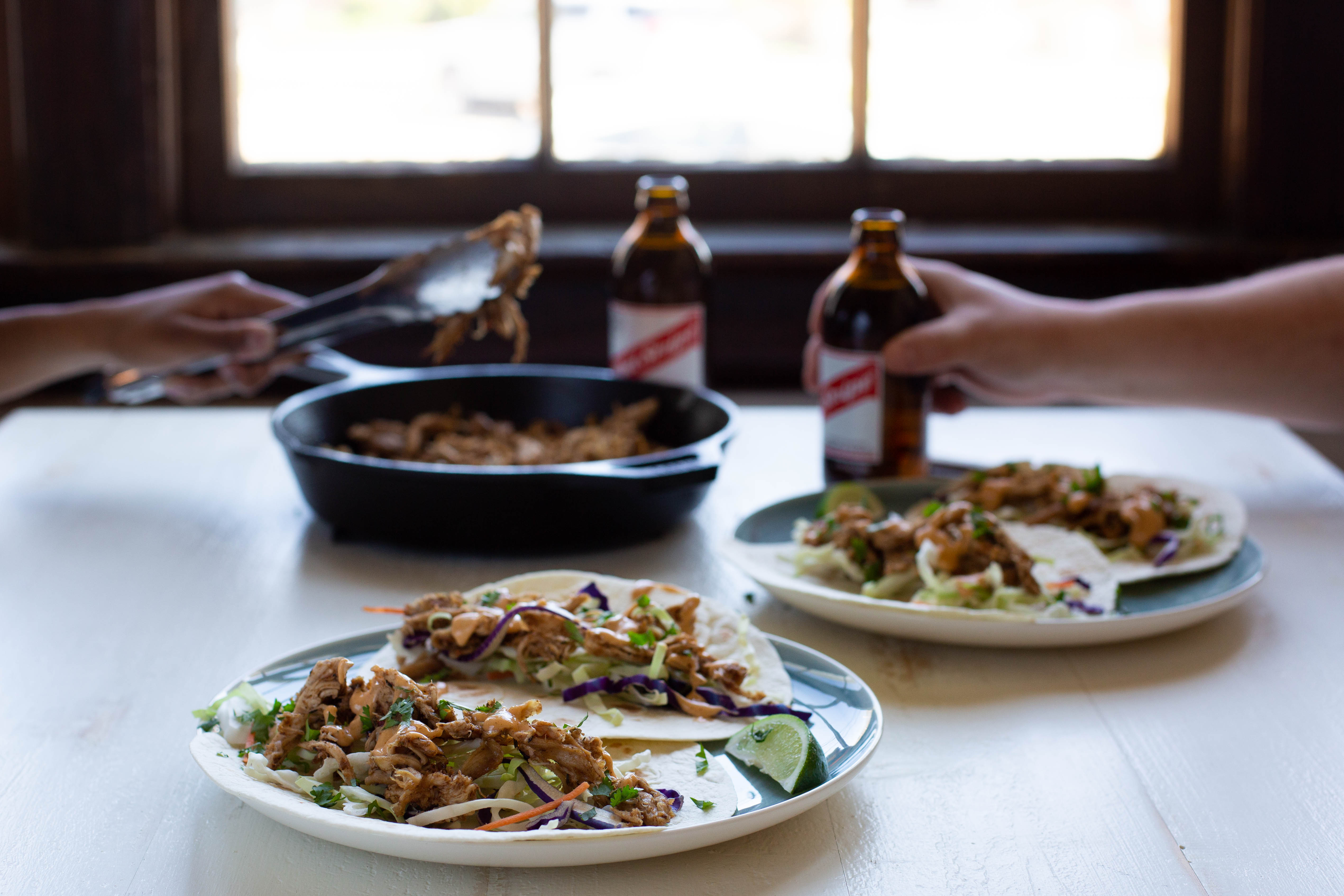
There’s something timeless about cooking with cast iron. From slow cooked stews to perfectly seared steaks, Lodge cookware is built to handle almost anything your kitchen throws at it and with the right care, it can last for generations.
Right now is also the perfect time to upgrade your cookware collection. Purchase a Combo Cooker or selected Double Dutch Oven (4.7L, 5.7L, or 6.6L) and receive a FREE 20cm skillet, valued at $84.99.
Whether you’re new to cast iron or already a longtime fan, here’s how to keep your cookware performing at its best for years to come.
Why Lodge Cast Iron Is a Kitchen Essential
Cast iron cookware is loved for its incredible durability, heat retention, and versatility. A single piece can move seamlessly from stovetop to oven, making it ideal for slow cooking, baking bread , searing meats ,frying, roasting vegetables, outdoor cooking.
The Combo Cooker and Double Dutch Oven are especially popular because they offer multiple cooking functions in one hardworking set.
And with the bonus 20cm skillet included in the current promotion, you’ll also have the perfect everyday pan for eggs, sides, sauces, and smaller meals.
Cast Iron Isn’t Fragile But It Does Have Preferences
The beauty of cast iron lies in its seasoning. That smooth, naturally non stick surface develops over time as oil bonds to the pan through repeated cooking.
The better the seasoning, the better your cookware performs.
That’s why certain foods and cooking methods can sometimes cause problems, especially for newer pans that are still building up that protective layer.
Foods That Can Leave More Than Just Flavour Behind
Strong Aromas Tend to Stick AroundGarlic-heavy meals, seafood, fish sauce, and oily fish like salmon can leave lingering smells behind in cast iron cookware long after dinner is over.
Because cast iron is naturally porous, it can absorb strong aromas more easily than stainless steel or non stick cookware. That means your morning pancakes may end up with a subtle memory of last night’s garlic butter salmon.
If you’re cooking particularly fragrant meals, you may prefer to use alternative cookware or reserve one skillet specifically for savoury dish.
Acid and Cast Iron Aren’t Always Best Friends
Tomatoes, vinegar, citrus, and wine can gradually wear down your seasoning if cooked for long periods.
A splash of lemon at the end of cooking is generally fine, but slow simmering tomato sauces or vinegar rich braises can strip away that hard earned seasoning layer and even leave metallic flavours behind.
For longer acidic cooking, enamelled cast iron or stainless steel cookware tends to be the safer option.
Delicate Foods and the Magic of a Well Seasoned Pan
Cast iron truly shines when it’s properly seasoned and preheated, creating a cooking surface that can handle far more than most people expect.
Delicate foods like flaky fish, prawns, omelettes, pancakes, and crepes can absolutely be cooked in cast iron with excellent results, especially in a well-loved pan with a strong seasoning layer.
A little butter or oil and the right heat control go a long way. And the best part? With every use of your Lodge cookware, that surface gets smoother, more reliable, and more naturally non stick.
Slow Cooking and Liquid Rich Meals
Heavy stews, braises, and soups are a natural fit for cast iron cooking. The key is choosing the right piece for the job.
The Lodge Double Dutch Oven, for example, is designed specifically for versatility and slow cooking. It handles long, comforting recipes with ease while delivering exceptional heat retention and even cooking, exactly what cast iron is known for.
Rather than limiting what you cook, cast iron actually expands what you can confidently create in the kitchen.
Sweet and Savoury - Getting the Best Flavour from Both
Skillet desserts like brownies, cookies, and fruit crumbles are one of the great joys of cast iron cooking. The only thing to keep in mind is that cast iron naturally holds onto flavour, which is part of its charm.
With a good clean between uses, your skillet transitions beautifully between savoury dinners and sweet baking. Some home cooks even choose to dedicate one pan purely to desserts once they get hooked.
The bonus 20cm skillet included in the current promotion is a perfect size for baking, frying, and everyday cooking, making it an ideal addition to any kitchen setup.
One Simple Habit That Makes a Big Difference
Cast iron performs best when it’s cared for consistently.
Leaving food in the pan after cooking can introduce unnecessary moisture and affect seasoning over time. A simple routine keeps everything in great shape transfer food out after cooking, wash and dry thoroughly, finish with a light coat of oil before storing.
These small steps help maintain that signature non stick surface and keep your Lodge cookware performing at its best.
Why Cast Iron Is So Forgiving
One of the most appealing things about cast iron is how resilient it is. Even if seasoning is worn down or a bit of rust appears, it can almost always be restored with a little care.
That long-term durability is what makes Lodge cookware such a strong kitchen investment, it doesn’t just last, it improves with time and use.

Comments